Ask five people what road base is and you might get five different answers. It is one of the most mixed-up terms in driveway projects, right alongside gravel. Here is a plain explanation of what each material does and why most solid driveways use both.
What Road Base Actually Is
Road base is a crushed material with a mix of particle sizes, from larger rock down to fine dust. That range of sizes is the whole point — when compacted, the smaller particles fill the gaps between the larger ones, creating a dense, stable surface that resists shifting under weight. It is the layer that keeps a driveway from developing ruts and potholes as cars and trucks drive over it season after season.
What Gravel Is
Gravel, in the context most homeowners mean, is more uniform in size — rounded or crushed stone without the fine material mixed in. It drains well and looks cleaner on the surface, which is why it is usually the top layer people actually see and walk or drive on. On its own, gravel does not compact into a solid surface the way road base does, because there is nothing filling the gaps between the pieces.
Why Most Driveways Use Both
| Layer | Material | Job |
|---|---|---|
| Bottom | Road base | Compacts into a stable, load-bearing foundation |
| Top | Gravel | Provides the finished driving and walking surface |
Skip the road base and put gravel straight over bare dirt, and you will likely see the driveway rut, sink, and shift within a season or two, especially through a Montana freeze-thaw cycle. The road base is what keeps everything above it stable long-term.
How Much of Each Layer You Need
Road base typically goes down first at a few inches of depth, compacted, and then gravel goes on top as the finish layer. The exact depths depend on how much weight the driveway needs to handle — a driveway that only sees passenger cars needs less base than one that regularly handles trucks or heavy trailers. Mention your driveway’s typical use when you call so the conversation about quantity makes sense for your situation.
Ordering Road Base and Gravel for Your Project
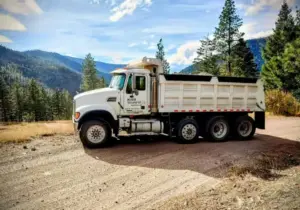
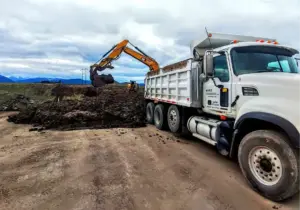
Maxx Transfer delivers both road base and gravel to Missoula, Lolo, Frenchtown, Bonner, Stevensville, and Clinton. As a locally owned, one-truck operation, every order goes straight through Joel — no call center, no guessing which department to talk to. Call 406-546-4115, describe your driveway project, and you will land on the right materials and quantities together before scheduling a delivery day.
For more detail on each material, check out the gravel and road base page, or if you are building a whole new driveway from scratch, the driveway and parking pad materials page walks through everything homeowners typically need.
Signs Your Existing Driveway Is Missing a Road Base Layer
If you already have a gravel driveway and it is giving you trouble, there is a good chance the base underneath is thin, uneven, or missing altogether. Ruts that reappear no matter how many times you rake the gravel back into place are a classic sign. So is gravel that seems to slowly disappear into the dirt below, or standing water that lingers in the same low spots after every rain.
Potholes are the most obvious symptom, especially ones that open up in the same location year after year, often right where vehicles turn or brake most often. If your driveway develops these problems repeatedly despite adding more gravel on top, the fix usually is not more gravel — it is pulling back the surface material, adding a proper road base layer, compacting it, and then putting the gravel back down on top of a foundation that can actually support it.
Repairing an Existing Driveway vs. Building New
A full rebuild is not always necessary. Sometimes the worst sections of a driveway, like the entrance apron or a spot where cars regularly turn, are the only areas that truly need road base added underneath. Other stretches that have held up fine can often just get a fresh top layer of gravel. Walking the driveway and pointing out the problem spots when you call helps figure out whether you are looking at a full rebuild or a more targeted repair.
Either way, the material still has to get to your property, and that is where Maxx Transfer comes in. Whether you need a single load of road base for a trouble spot or a full driveway’s worth of both materials, the delivery process stays the same simple call-and-schedule approach.
Montana’s freeze-thaw cycle is tougher on driveways than a lot of people realize. Water works into small gaps in the base layer, freezes, expands, and gradually breaks the surface apart from underneath. A properly compacted road base resists this a lot better than bare dirt or a thin, patchy layer, which is part of why getting the base right the first time pays off over years, not just the first season.
Long rural driveways out toward Clinton or Stevensville see this wear even more than short in-town driveways simply because there is more surface area exposed to the weather and more passes from vehicles over time. If you are dealing with a longer stretch, tackling it in sections — base and gravel for the most-used portion first, the rest later — is a perfectly reasonable way to spread the project out.
Frequently Asked Questions
For anything that will see regular vehicle traffic, yes. A road base layer keeps the surface from rutting and shifting over time, especially through Montana’s freeze-thaw seasons.
For light foot traffic only, gravel over compacted dirt can work fine. For driveways or anything vehicles will use, road base underneath is strongly recommended.
It depends on the weight the driveway needs to handle. Mention your typical vehicle traffic when you call 406-546-4115 so Joel can help you land on a reasonable depth.
Both materials are regularly delivered together for driveway projects. Let Joel know you need both layers when you call to schedule.
Building or repairing a driveway in Missoula? Call Maxx Transfer at 406-546-4115 or contact us to get road base and gravel delivered together.