Excavation work — whether it is a foundation, a basement addition, a pool, or a major landscaping regrade — almost always ends with more dirt on the surface than the site can absorb. Getting that material off the property cleanly is the last piece of a project that otherwise looks finished.
Why Excavation Projects Generate So Much Extra Dirt
Excavated soil takes up more space than it did compacted in the ground, sometimes considerably more depending on soil type. A foundation dig or basement excavation can produce a genuinely large volume of dirt relative to the size of the finished hole, and most residential lots simply do not have anywhere on-site to put all of it without burying something you need, blocking access, or creating drainage problems elsewhere on the property.
What Typically Needs Hauling After Excavation
- Bulk excavated soil from a foundation, basement, or footing dig
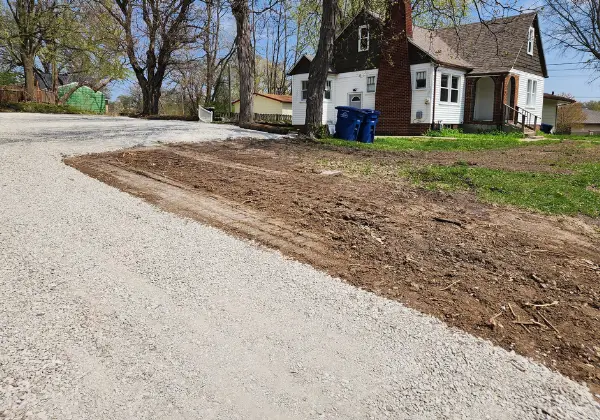
- Fill dirt left over after a regrading or leveling project
- Mixed spoil containing rock, clay, or debris pulled up during digging
- Material excavated for a pool, pond, or in-ground structure
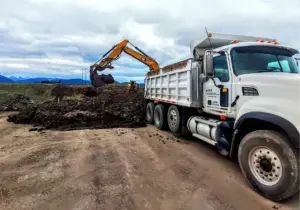
Larger excavation projects sometimes need multiple loads hauled away rather than a single trip, particularly for basement or foundation work on a bigger structure.
Coordinating Haul-Away With Your Excavation Contractor
If you are working with an excavation contractor, it often makes sense to coordinate haul-away timing directly with their schedule so dirt is removed as it comes out, rather than piling up on-site through the whole project. For smaller or DIY excavation work, scheduling a single haul-away once digging wraps up is usually the simpler approach. Either way, describing your project and timeline when you call helps line up a pickup schedule that actually works for your site.
Property Access for Excavation Cleanup
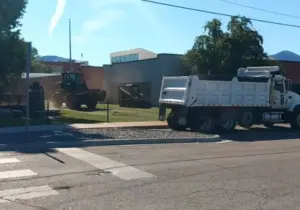
Excavation sites can be messier and less accessible than a typical delivery drop-off, especially mid-project with equipment, materials, and open ground around the work area. Walking through the access route with Joel when you call — where the pile is, how the truck reaches it, and whether other equipment will be in the way — helps the pickup go smoothly on the scheduled day.
Getting Excavation Dirt and Fill Hauled Away
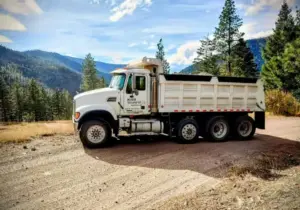
Maxx Transfer handles dirt and fill haul-away for excavation projects throughout Missoula, Lolo, Frenchtown, Bonner, Stevensville, and Clinton. Call 406-546-4115 and describe the scope of your excavation — approximate volume, timeline, and site access — and Joel will work with you directly to schedule pickup. As a locally owned, one-truck operation, you are dealing with the same person throughout, not a rotating crew or dispatcher.
Visit the excess dirt and fill removal page for more detail, and if your project also has other debris to clear once excavation wraps up, general property cleanouts may be worth a look as well.
What Happens to the Dirt Once It Is Hauled Away
A common question homeowners have is simply where the dirt goes once it leaves the property. Excavated material is hauled to an appropriate disposal or fill site rather than left anywhere along the way. This is part of why working with a truck that knows the area matters — a local operation already has a routine for handling excavated material properly rather than figuring it out on the fly.
Distinguishing Clean Fill From Contaminated Material
Most residential excavation produces what is generally considered clean fill — ordinary soil, clay, or rock without contamination. If your project site has any history of buried debris, old fuel tanks, or other materials that might affect the soil, mention that when you call. It affects how the material needs to be handled and is worth flagging upfront rather than discovering partway through a haul-away.
Multi-Load Projects and Scheduling
Bigger excavation projects, particularly full basement digs, sometimes need more than one truckload hauled away. Rather than scheduling each load one at a time as you notice the pile growing, it usually works better to give Joel a rough total volume upfront so multiple pickups can be planned as a sequence, keeping your site clear as digging continues instead of letting dirt accumulate faster than it is removed.
Even on a smaller excavation project, it is worth mentioning your full plan upfront rather than calling back after each stage. Knowing whether more digging is coming later helps determine whether one trip covers everything or whether it makes more sense to plan pickups around the project’s natural phases.
Whatever stage your excavation is at, the same locally owned, direct-communication approach applies — one point of contact, one truck, and a schedule built around your actual project rather than a fixed weekly route.
Getting the dirt cleared efficiently means the rest of your project, whether that is pouring a foundation, finishing a basement, or moving on to landscaping, can proceed without a pile of spoil sitting in the way.
Missoula properties vary a lot in size and access, from tight in-town lots to larger rural parcels out toward the valley, and each one calls for a slightly different approach to getting a truck in and material out. Describing your specific site is always more useful than assuming a one-size-fits-all plan.
A five-minute phone call up front, with a clear description of your excavation site, usually saves far more time than it costs once the truck actually arrives on delivery day.
Frequently Asked Questions
It depends heavily on the size of the excavation. Larger foundation or basement digs often need multiple loads. Describe your project scope when you call for a better sense of what to expect.
Yes, describe your project timeline when you call and pickup can often be planned around your contractor’s schedule rather than waiting until everything is finished.
Reasonable amounts of mixed material like rock or clay are generally fine. Mention what is mixed into the spoil pile when you call so it can be accounted for.
Missoula, Lolo, Frenchtown, Bonner, Stevensville, and Clinton are all regularly served. Call to confirm service at your address.
Wrapping up an excavation project and need the extra dirt gone? Call Maxx Transfer at 406-546-4115 or contact us online to schedule haul-away.