More vehicles, an RV, a boat, or a work trailer often means an existing driveway just is not big enough anymore. A dedicated parking pad solves that without the cost of expanding a paved driveway, and gravel or road base is usually the most practical material for the job.
Why Homeowners Add a Parking Pad
- Extra space for a second or third household vehicle
- A stable surface to park an RV, camper, or trailer without sinking into grass or mud
- Dedicated space for a boat or work equipment away from the main driveway
- Keeping vehicles off grass, which prevents ruts and dead patches in the lawn
A parking pad is often a smaller, more affordable project than expanding an entire driveway, since it only needs to cover the footprint of what is actually being parked there.
What a Parking Pad Needs Structurally
Like a driveway, a parking pad that will hold real vehicle weight over time needs a compacted road base underneath, not just a layer of gravel over bare dirt. This matters even more for heavier vehicles like RVs and loaded trailers, which put significantly more sustained weight on one spot than a typical passenger car does. Skimping on the base is the most common reason a parking pad starts sinking or rutting under an RV within its first season.
The gravel finish layer on top provides the actual parking surface and helps with drainage, keeping water from pooling under a parked vehicle for extended periods.
Sizing the Project Correctly
Measure the length and width of the space needed for whatever will be parked there, and add a reasonable margin around the edges for maneuvering room. An RV or trailer needs more clearance to pull in and out comfortably than a straightforward parking spot for a car. Getting the dimensions right before ordering material means you are not short on the finished footprint once the project is done.
Access for Delivery to Your Parking Pad Site
Parking pads are sometimes built in a side yard, back corner of a property, or another spot that is not directly off the main driveway. Think through how a fully loaded dump truck will actually reach that location before scheduling delivery. Mentioning the access route, including any gates, slopes, or tight turns, when you call helps avoid a delivery-day surprise.
Ordering Material for Your Parking Pad
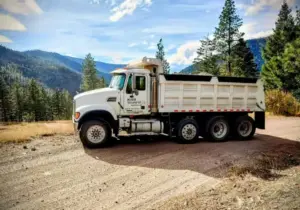
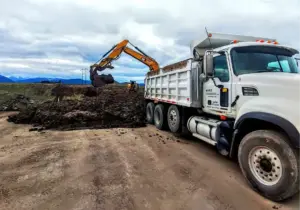
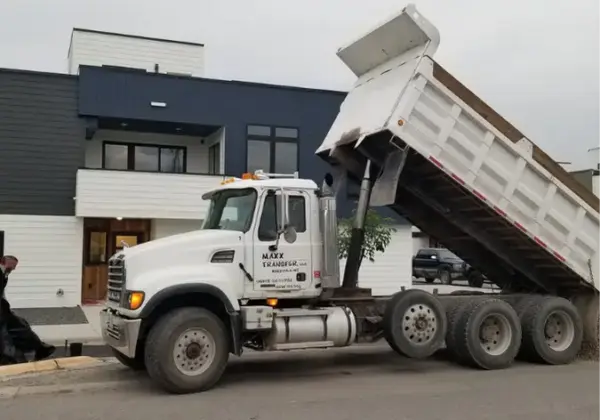
Maxx Transfer delivers road base and gravel for parking pad projects throughout Missoula, Lolo, Frenchtown, Bonner, Stevensville, and Clinton. Call 406-546-4115 and describe your project — what will be parked there, the dimensions, and your access situation — and Joel can help you think through material and quantity before scheduling delivery. As a locally owned, residential-focused operation, projects like this, built around a single vehicle or trailer rather than a commercial lot, are exactly the kind of work Maxx Transfer is set up to handle.
Visit the driveway and parking pad materials page for more detail, or the gravel and road base page to compare material options.
Connecting the Pad to Your Existing Driveway
Many parking pads tie directly into an existing driveway rather than standing completely separate. If that is the plan for your project, matching the base depth and gravel type to what is already there helps the two areas blend together and perform consistently, rather than creating a weak transition point where the pad meets the driveway. Mention that the pad connects to existing gravel when you call so material can be chosen to match reasonably well.
If the pad is being built as a standalone area away from the driveway, you have more flexibility in choosing a different gravel color or size, since it will not need to visually or structurally match an existing surface.
Planning for Long-Term Use
Think beyond the immediate need when sizing a parking pad. If there is a reasonable chance you will upgrade to a larger RV, add a second vehicle, or want room to maneuver a trailer more easily down the road, building a bit of extra size into the pad now is far cheaper than expanding it later. Expanding an existing pad means matching new material to old, and it is rarely as seamless as building it right the first time.
Seasonal Timing for Parking Pad Projects
Spring and summer tend to be popular seasons for parking pad projects, especially for RV owners getting a rig ready ahead of camping season. Building the pad before you need it, rather than scrambling right before a planned trip, gives the base time to settle and compact under normal use before it faces the weight of a fully loaded RV or trailer.
Fall projects are common too, especially for homeowners winterizing a property and wanting a stable, mud-free spot to store a trailer or vehicle through the snowy months rather than leaving it to sink into a soft, unimproved corner of the yard.
Whatever the timing, the underlying goal is the same: a stable, well-drained surface that holds up under real weight, season after season, without constant patching or maintenance.
A parking pad is a relatively small project in the scope of most home improvements, but it solves a real, everyday frustration — not having anywhere reasonable to put a vehicle, trailer, or RV without turning a section of yard into mud.
Frequently Asked Questions
Yes, especially for RVs, trailers, or other heavy vehicles that put sustained weight on one area. A compacted road base underneath keeps the pad from sinking or rutting over time.
Measure the RV’s length and width and add extra margin for maneuvering room. Exact sizing depends on your vehicle and how you plan to pull in and park.
Yes, as long as a loaded dump truck can reasonably access the location. Mention the access route and any obstacles when you call to schedule.
Missoula, Lolo, Frenchtown, Bonner, Stevensville, and Clinton are all regularly served. Call to confirm delivery to your address.
Planning a new parking pad on your property? Call Maxx Transfer at 406-546-4115 or contact us online to schedule material delivery.